
RFID Inventory Management: How Warehouses and Retail Get Real Time Counts
RFID inventory management cuts cycle counts from hours to minutes. See how warehouses and stores use it, what hardware to buy, and factors to know.

My Cart
—
Incl. VAT

Author: Jennifer Gene
Without device management, technology meant to enhance healthcare operations and patient care can have the opposite effect. Devices and IT systems need routine monitoring and maintenance to maximize uptime, keep schedules on track, and optimize patient experiences. Health systems, hospitals, clinics, outpatient facilities, and long-term care facilities are all discovering that the solution is lifecycle-driven IT and device management.
IT lifecycle management is a strategic approach to maintaining systems and devices so that they deliver top performance as long as they are in service. Lifecycle system and device management is not a cadence of purchase, then replace. Instead, it involves planning and procuring fit-for-purpose IT hardware, devices, and services, standardized across the organization.
Lifecycle management includes a plan for getting devices to staff, covering provisioning, configuring, and kitting when devices are first deployed and when they're replaced. And when devices and IT infrastructure are in service, monitoring and proactive management enable addressing issues before they result in downtime. Lifecycle management also includes security patching to protect assets and patient information from cyberattacks and data loss, and plans for IT end of life, including wiping data and systematically recycling and replacing devices.
A healthcare organization's internal IT team often deals with thousands of devices and IT assets in addition to other responsibilities that clinicians rely on to keep devices and systems operational. Managed models reduce the burden on internal IT teams, while providing healthcare organizations with operational and financial benefits.
With the Device as a Service model, healthcare organizations lease hardware on a subscription basis. The IT solution provider takes responsibility for provisioning and keeping devices and IT optimized. A Device as a Service agreement will establish a date when the healthcare organization can refresh devices, so that it can plan to upgrade to current technology.
Another benefit of the Device as a Service model is the shift from an upfront capital expenditure and periodic maintenance costs to a predictable operating expense across the agreement timeline. Healthcare organizations will also benefit from an easier pathway to scaling a device fleet as needed.
A managed service provider is an experienced third-party provider that takes responsibility for managing, monitoring, and servicing IT based on a service level agreement. Healthcare organizations can choose managed services for network management, security management, cloud management, or other elements of their IT ecosystems to complement their internal IT team's capacity and expertise.
Lifecycle-driven IT and device management benefits healthcare organizations in multiple ways:
Forming a strategic partnership is key when choosing Device as a Service, outsourced lifecycle services, or managed services. Healthcare organizations should choose a partner that offers lifecycle IT and device management covering planning, procurement, provisioning, kitting, monitoring, ongoing services, help desk, and end-of-life services.
However, the best lifecycle management partner for healthcare IT has industry expertise and offers services tailored to healthcare organizations. Hospitals and healthcare facilities will benefit from a provider that specializes in site surveys, high-density wireless, and private 5G for reliable mobile connectivity. The best partner also expertly provides healthcare solutions for secure telehealth, mobile solutions for clinicians in the facility or working in home healthcare, and patient identification, while ensuring uninterrupted service in patient-facing areas.
Healthcare organizations often use multiple vendors for IT management needs across the technology ecosystem. But working with one accountable and capable vendor for everything from procurement to support is more efficient, enabling greater consistency, standardization, and cost control.
When a healthcare organization works with the right partner for lifecycle IT and device management, all the benefits that the organization planned from the IT deployment can become reality.
Contact Levata to learn more.
About the Author: Jennifer Gene is the Vice President, Healthcare and Public Sales at Levata. With over 20 years of deep experience leading high-performing teams and advising healthcare organizations, Jennifer brings a strategic, outcomes-driven approach to healthcare technology transformation. Throughout her career, Jennifer has partnered with hospitals, health systems, and care networks to navigate the unique operational, regulatory, and clinical challenges that define the healthcare industry. Specializing in mobility, automation, and real-time visibility solutions, Jennifer helps healthcare leaders implement technology that empowers frontline staff, streamlines workflows, and increases productivity—without disrupting patient care.
RFID inventory management cuts cycle counts from hours to minutes. See how warehouses and stores use it, what hardware to buy, and factors to know.
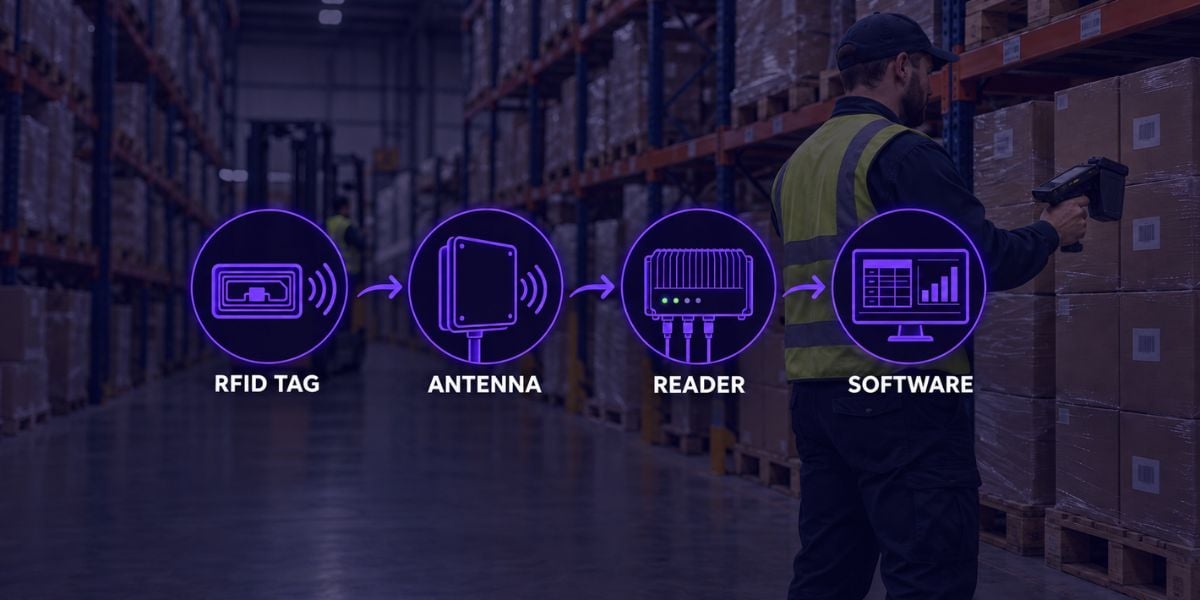
How do RFID tags work? See how the chip, antenna and power source work together, then match a tag to your surface and read range.
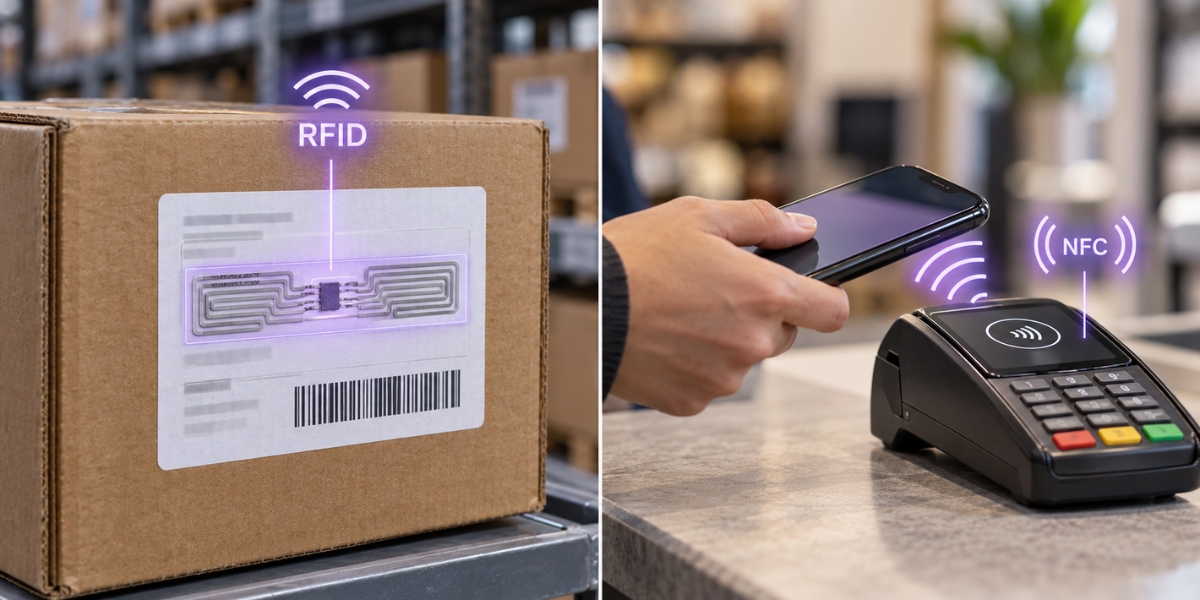
See how RFID and NFC differ on range, standards, and use, plus which one fits inventory tracking versus payments and access.
Welcome, ID Card Group customers!
On September 24th, IDCardGroup.com transitioned to Levata.com. You still have access to the ID solutions you rely on, along with a broader selection of data capture and technology solutions.
What you can expect:
Questions? Call 1-833-353-8282.
Thank you for choosing Levata.
Welcome, IT Planet customers!
On September 24th, ITPlanet.com transitioned to Levata.com. You still have access to the products you rely on, along with a broader selection of data capture and technology solutions.
What you can expect:
Questions? Call 1-833-353-8282.
Thank you for choosing Levata.
Welcome, Barcode Planet customers!
On September 24th, BarcodePlanet.com transitioned to Levata.com. You still have access to the products you rely on, along with a broader selection of data capture and technology solutions.
What you can expect:
Questions? Call 1-833-353-8282.
Thank you for choosing Levata.