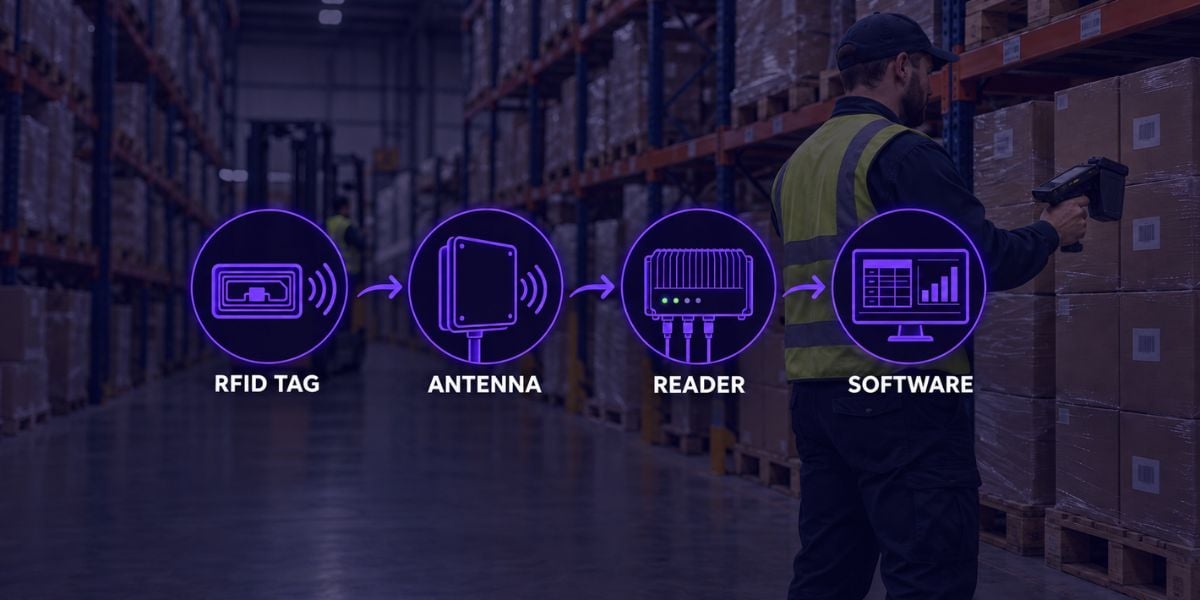
How Do RFID Tags Work, and Which Type Do You Need?
How do RFID tags work? See how the chip, antenna and power source work together, then match a tag to your surface and read range.

My Cart
—
Incl. VAT
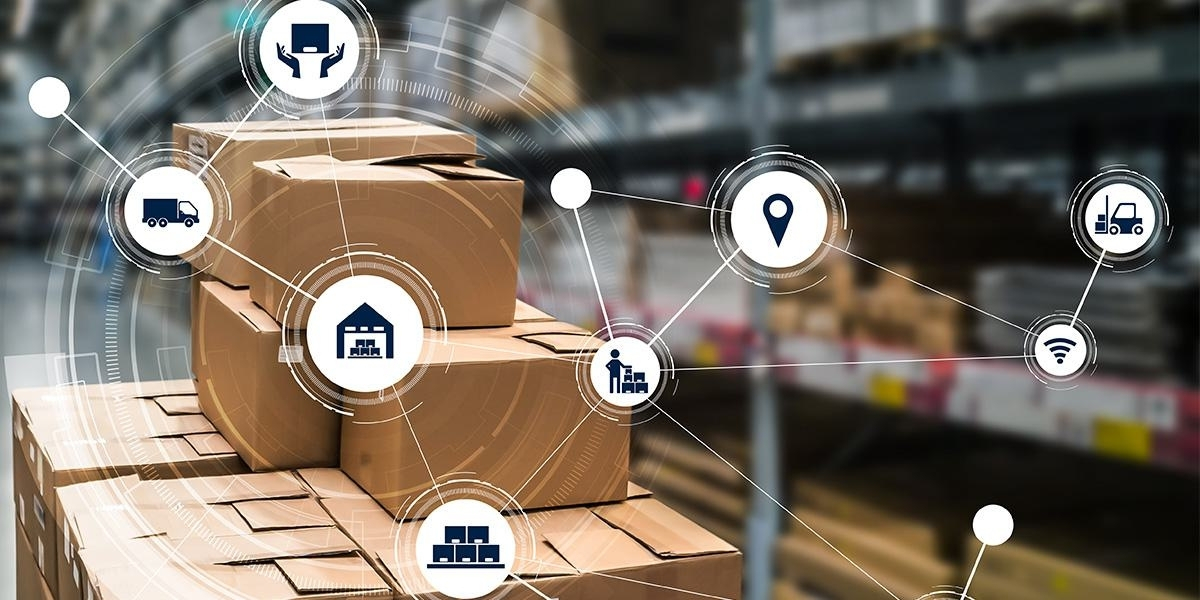
Streamline shipping operations with RFID label printing. Improve accuracy, reduce manual labor, and gain real-time visibility for faster, more efficient fulfillment.
Shipping operations are under constant pressure to move faster, reduce errors, and provide real-time visibility into every package. As fulfillment volumes grow and customer expectations rise, traditional labeling and tracking methods often fall short.
RFID-enabled label printing offers a smarter, more scalable approach—helping organizations streamline shipping workflows while improving accuracy and traceability.
Many shipping environments still rely heavily on barcode labels and manual scanning. While effective to a point, these processes can introduce bottlenecks:
As operations scale, these inefficiencies become more costly and harder to manage.
RFID (Radio Frequency Identification) eliminates the need for direct line-of-sight scanning by using embedded tags that communicate via radio waves. When RFID is combined with label printing, organizations can encode and print smart labels in a single step—ready for immediate use.
This enables faster, automated data capture across shipping workflows without adding complexity for frontline teams.
RFID-enabled label printing simplifies multiple stages of the shipping process:
One of the most immediate benefits of RFID-enabled shipping is the ability to do more with fewer manual touches. By automating identification and tracking:
This is especially valuable in environments facing ongoing labor constraints.
Accurate, on-time shipping has a direct impact on customer experience. RFID helps reduce common issues like:
With better data and faster processing, organizations can meet delivery expectations more reliably and provide greater transparency to customers.
As shipping volumes grow, systems need to scale without introducing friction. RFID label printing supports this by enabling:
This allows organizations to expand operations without reworking their entire workflow.
RFID-enabled label printing isn't just an incremental improvement—it's a shift toward more intelligent, automated shipping operations. By combining labeling and tracking into a single, streamlined process, businesses can reduce errors, increase speed, and gain the visibility needed to stay competitive.
For organizations looking to modernize their shipping workflows, RFID offers a practical path to greater efficiency and long-term scalability.
Contact Levata to speak with an RFID expert about improving shipping accuracy and visibility in your operations.
How do RFID tags work? See how the chip, antenna and power source work together, then match a tag to your surface and read range.
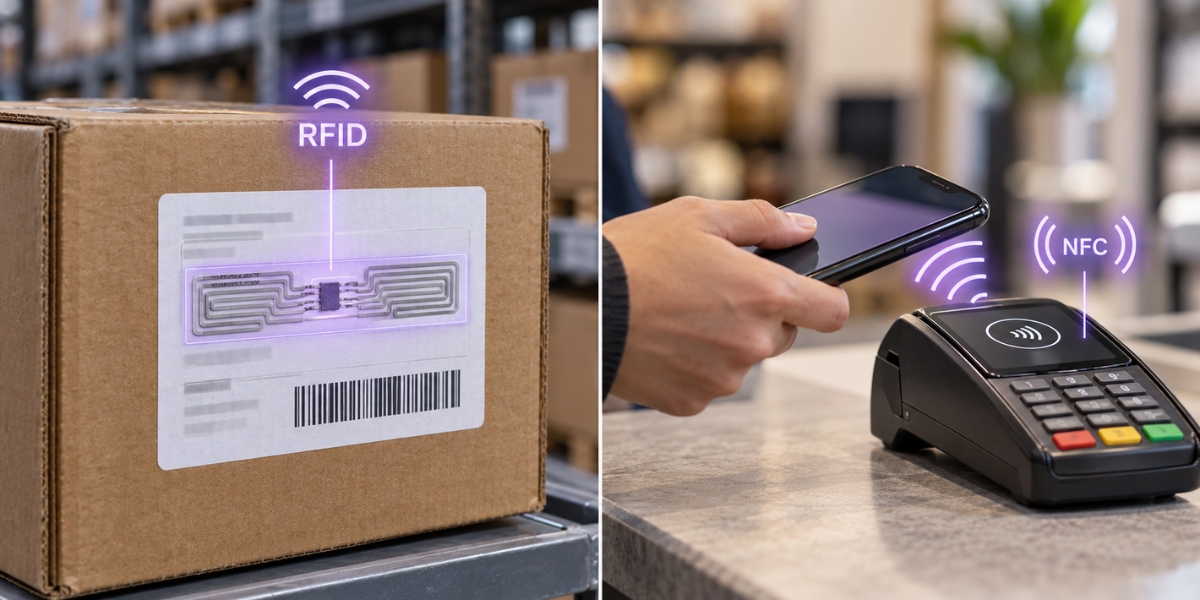
See how RFID and NFC differ on range, standards, and use, plus which one fits inventory tracking versus payments and access.
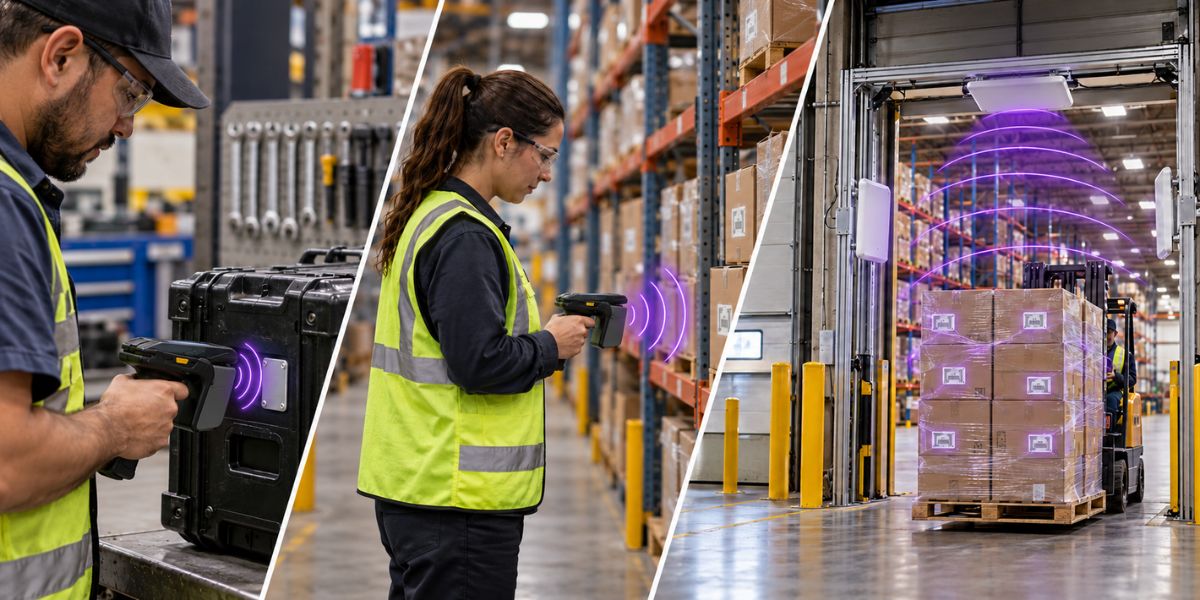
Compare LF, HF, and UHF RFID on range, standards, regulation, and best use, with a reference chart built to save and cite.
Welcome, ID Card Group customers!
On September 24th, IDCardGroup.com transitioned to Levata.com. You still have access to the ID solutions you rely on, along with a broader selection of data capture and technology solutions.
What you can expect:
Questions? Call 1-833-353-8282.
Thank you for choosing Levata.
Welcome, IT Planet customers!
On September 24th, ITPlanet.com transitioned to Levata.com. You still have access to the products you rely on, along with a broader selection of data capture and technology solutions.
What you can expect:
Questions? Call 1-833-353-8282.
Thank you for choosing Levata.
Welcome, Barcode Planet customers!
On September 24th, BarcodePlanet.com transitioned to Levata.com. You still have access to the products you rely on, along with a broader selection of data capture and technology solutions.
What you can expect:
Questions? Call 1-833-353-8282.
Thank you for choosing Levata.