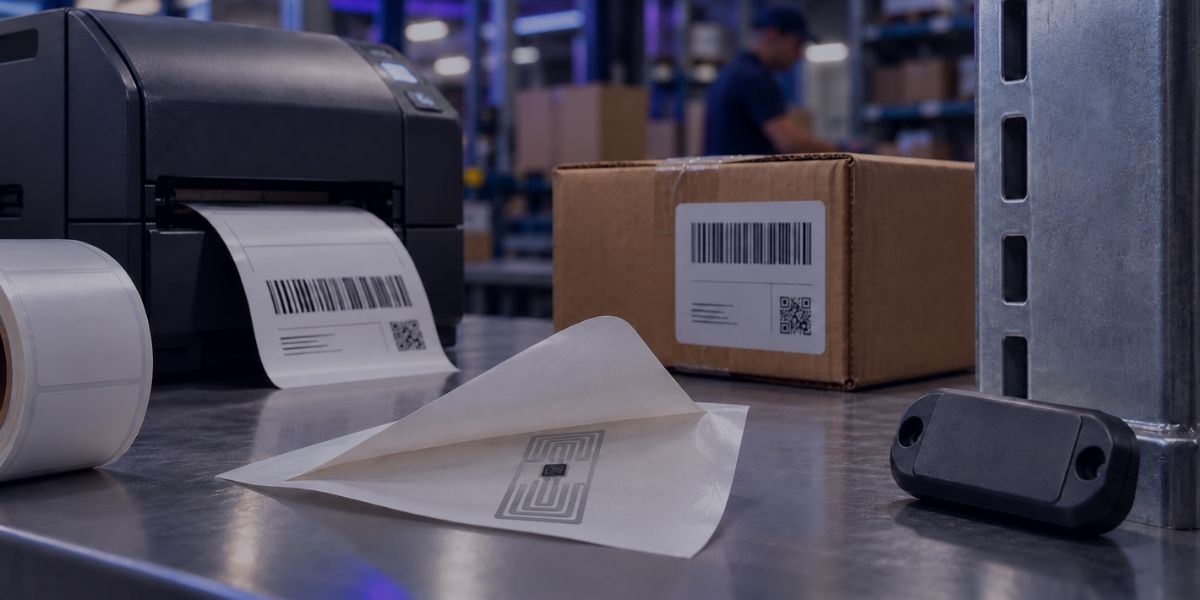
RFID Labels: Types, Printing, and When to Use Them Over Tags
RFID labels explained: the types, how to print and encode them, and when a hard tag is the better choice.

My Cart
—
Incl. VAT

Author: Jared Carter
Manufacturing technology or warehouse and distribution technology helps enterprises reduce operating costs, scale more easily, and remain competitive. However, when they’re planning their technology roadmaps, they can overlook how much of an impact industrial wearables can make. Industry analysts are expecting growing adoption, with MarketsAndMarkets.com, for example, predicting that the market will grow from $8.24 billion in 2025 to $51.50 billion by 2036, a 16.5% compound annual growth rate (CAGR). Driving that growth will be industrial wearables’ ability to help employees improve job performance, safety, and the company’s productivity overall.
In short, industrial wearables are technologies that frontline workers wear. Enterprises often equip their employees with wearables when they’re responsible for capturing a high volume of data at its source in real-time. Enterprises can deploy several types of wearables and wearable data collection solutions, including the following:
Glove and ring scanners are barcode scanners that employees wear. They can scan as they point at or reach for an item, using natural motions as they pick, sort, or move inventory. Wearable data collection solutions eliminate the need to carry an extra device, pick it up, and put it down during workflows. Paired with wrist-mounted computers, employees have all the tools they need to move from task to task and confirm accuracy as they go.
Voice-enabled solutions are another type of industrial wearables. These solutions include headsets that employees wear to receive pick orders. These warehouse wearables eliminate paper work orders, increasing efficiency and accuracy as they guide workers through tasks. Warehouses can automate orders by using artificial intelligence (AI) and enabling two-way communication with automatic speech recognition. Additionally, warehouse workers can confirm pick accuracy with a ring, glove, or wrist scanner, and automatically update tasks in the warehouse management system (WMS) or enterprise resource planning (ERP) system.
Proof of concept (POC) and pilots will quickly reveal the benefits of taking industrial wearables full scale:
Wearables enable hands-free productivity, which helps employees work faster. According to Honeywell, wearables can save 5 seconds per scan. If an employee scans 100 items per hour, that saves more than 8 minutes per employee per hour and can save up to an hour per employee per day. The workforce can accomplish more, from picking and kitting to inspection and assembly.
Wearables make training easier, helping new hires get to work independently sooner, according to Zebra Technologies. Wearables make work intuitive, and 90% of retail decision-makers and associates surveyed say technology can improve training and navigate the learning curve of a new job.
Wearables take advantage of employees’ natural movement, decreasing physical strain from repetition. Wearable solutions are also designed to be lightweight, so they’re easy to carry.
In addition to ergonomics that prevent injuries from repetitive motion and strain, wearables also prevent injuries by allowing employees to use both hands when climbing and lifting. Wearable data collection and industrial wearable solutions can lead to fewer lost workdays from injuries.
When data collection becomes a natural part of the workflow, employees have fewer missed scans, and they immediately update the WMS or ERP with inventory changes and task completion.
Deploying wearables results in the most value when continuous data collection, accuracy, and safety are critical. Employees in these warehouse and manufacturing roles will benefit from wearable solutions:
Wearables only benefit an enterprise if they work reliably. Partnering with an experienced provider is often the best way to get maximum uptime and maximum value from the solution. A knowledgeable partner that has a successful track record of providing wearable solutions to your industry will work with you through solution design, conduct a site survey, and install network infrastructure for reliable connectivity. Your partner will also guide you through your POC and handle device procurement. Enterprises will also benefit from solution provider partners who provide the following:
When continuous data collection, data collection accuracy, and employee safety are at stake, wearable solutions are often the best solution. Equipping employees with glove or ring scanners or voice-enabled solutions can help improve their job performance and an enterprise’s productivity overall, particularly when they’re backed by an experienced solution provider.
Levata’s team is ready to share success stories of how wearable solutions improved our clients’ operations and to discuss how they’ll benefit your organization. Contact us to start the conversation.
About the Author:
Jared Carter, Senior Director of Enterprise Sales at Levata, works closely with organizations to design and deliver manufacturing technology strategies that improve operational performance across the entire supply chain. With deep experience helping manufacturers modernize frontline operations, he partners with customers to implement mobility, automation, and data-capture solutions that enhance workforce productivity, increase inventory and asset visibility, and streamline workflows from receiving to production to distribution. At Levata, Jared focuses on helping manufacturers leverage connected devices, real-time data, and lifecycle support services to drive greater efficiency, accuracy, and operational agility across their facilities.
RFID labels explained: the types, how to print and encode them, and when a hard tag is the better choice.
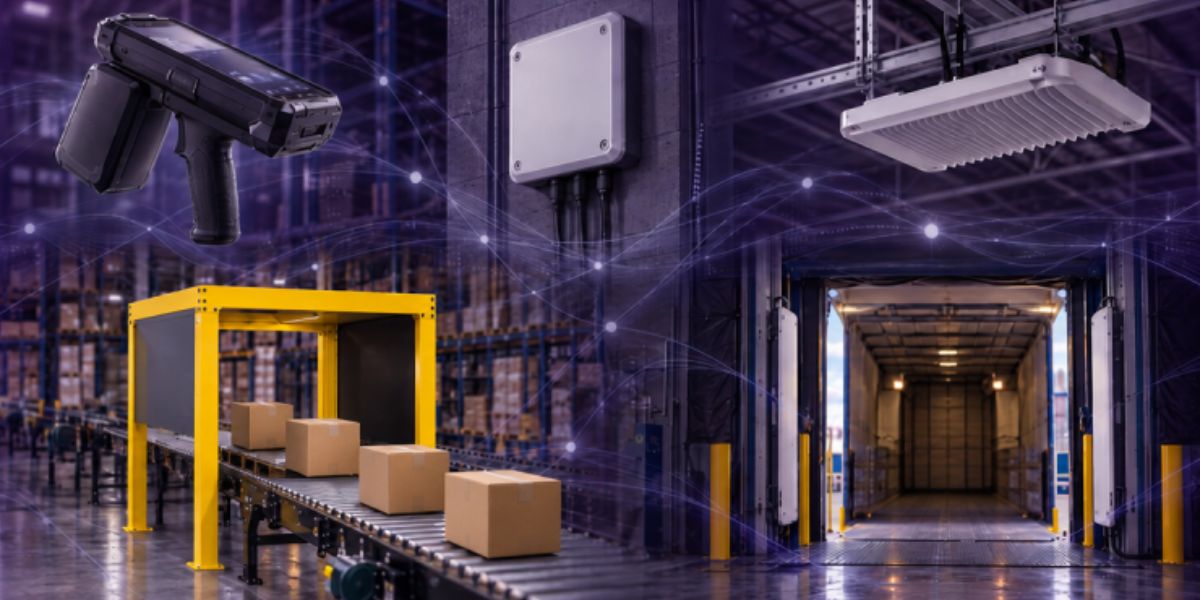
RFID asset tracking needs tags, readers, antennas and software. See which hardware fits audits, doorways and rooms, plus a real Levata deployment.
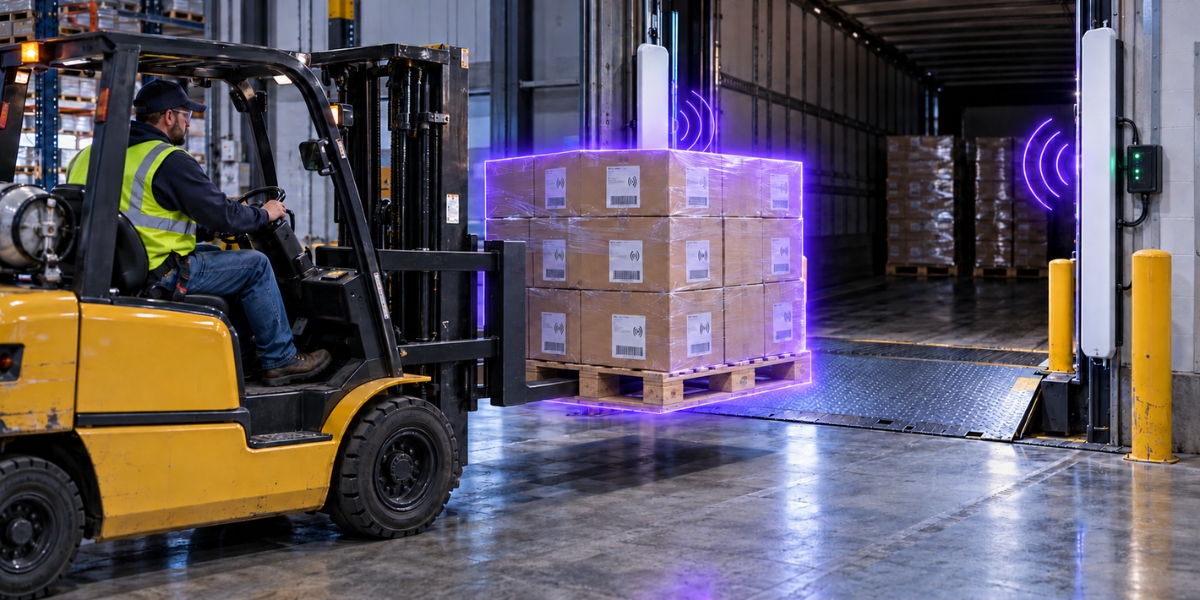
RFID inventory management cuts cycle counts from hours to minutes. See how warehouses and stores use it, what hardware to buy, and factors to know.
Welcome, ID Card Group customers!
On September 24th, IDCardGroup.com transitioned to Levata.com. You still have access to the ID solutions you rely on, along with a broader selection of data capture and technology solutions.
What you can expect:
Questions? Call 1-833-353-8282.
Thank you for choosing Levata.
Welcome, IT Planet customers!
On September 24th, ITPlanet.com transitioned to Levata.com. You still have access to the products you rely on, along with a broader selection of data capture and technology solutions.
What you can expect:
Questions? Call 1-833-353-8282.
Thank you for choosing Levata.
Welcome, Barcode Planet customers!
On September 24th, BarcodePlanet.com transitioned to Levata.com. You still have access to the products you rely on, along with a broader selection of data capture and technology solutions.
What you can expect:
Questions? Call 1-833-353-8282.
Thank you for choosing Levata.