
Why Manufacturers Are Moving to a Mobile-First Factory Floor
Transitioning to a mobile-first factory builds a more productive workforce, increases accuracy and product quality, reduces costs, and increases customer satisfaction.

My Cart
—
Incl. VAT
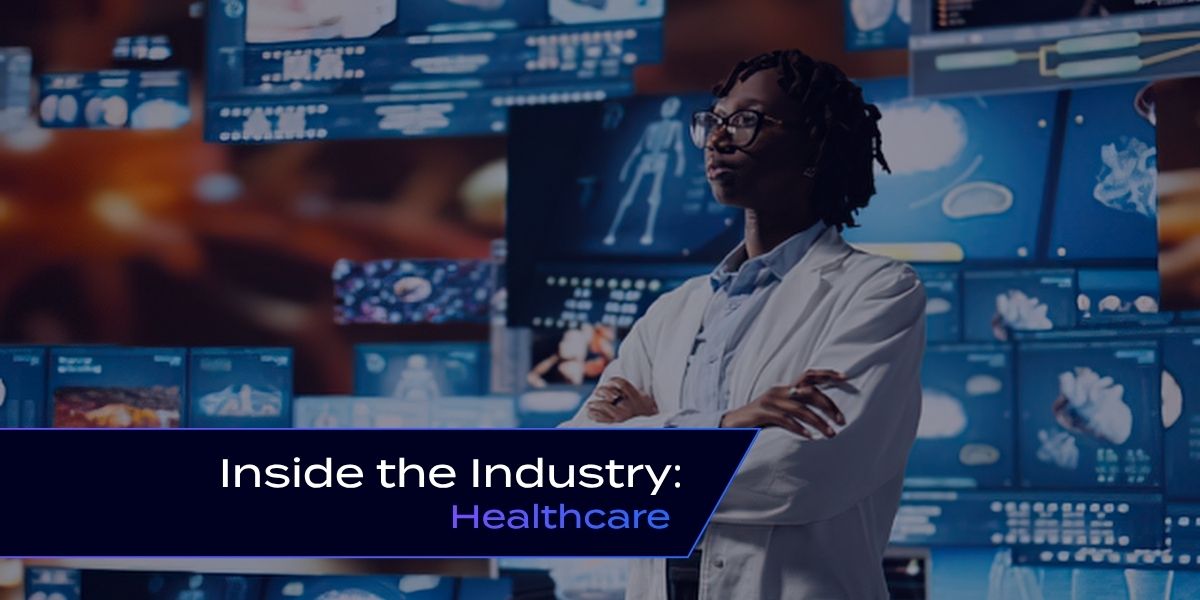
Healthcare organizations, from hospitals and specialty care facilities to pharmacies and laboratories, have become more dependent on technology in all aspects of operations. When workflows depend on digital healthcare infrastructure, uptime for mission-critical systems is essential for staff productivity, asset visibility, and eliminating manual workarounds. However, reliable healthcare IT infrastructure also plays a role in optimizing care delivery and patient experiences. Technology tuned for top performance leads to faster clinical response, fewer interruptions, and more time with patients versus troubleshooting IT devices. IT systems that work as expected also help build trust, assuring patients that their electronic protected health information (ePHI) is secure and readily available to clinicians providing care.
To maximize the benefits it provides, healthcare technology has expanded to support always-on connectivity, intelligent systems, and freely flowing data, enhanced with modern components:
Artificial intelligence (AI) implementations are becoming more common in healthcare. Johns Hopkins reports that 85% of healthcare leaders are adopting generative AI for productivity and patient engagement. In addition, Philips research has found that nearly half of healthcare professionals fear that not implementing AI will lead to missed opportunities for early diagnosis (46%), growing clinician burnout from non-clinical tasks (46%), and an expanding patient backlog (42%).
To achieve the real-time data necessary to automate responses, healthcare organizations need to enable AI inference at the edge for critical applications. Using cloud computing alone with AI implementations creates latency that can literally mean the difference between life and death. According to Firecell, edge computing can reduce latency to 1 ms to 10 ms versus 5 ms to 200 ms or more with cloud computing. Furthermore, edge computing does not depend on an internet connection. It can process data even if the network goes down or if a part of the facility has poor connectivity. With edge computing for mission-critical tasks, AI works reliably in as little as one-thousandth of a second.
Hospitals, laboratories, and specialty care facilities need wireless networks that support a large volume of traffic. Every mobile computer, tablet, barcode scanner, radio-frequency identification (RFID) reader or active tag, connected medical device, sensor, and voice communication platform must connect and operate seamlessly.
Healthcare organizations must ensure they're working with a healthcare technology provider or systems integrator with experience providing complex healthcare infrastructure services. The network should support Wi-Fi for patient rooms and connectivity for wireless medical devices and equipment. It should also ensure reliable telehealth and virtual care in addition to including private 5G paired with edge computing for immediate action while not exposing sensitive data outside the facility. The optimal solution will leverage hybrid wireless architecture that uses a combination for connecting data to the right systems, i.e., 5G vs. Wi-Fi vs. a private network for privacy, data protection, and efficient data sharing.
IoMT systems enable real-time patient monitoring, distributed patient care, and greater operational efficiency. With a system of connected medical devices, sensors, and software, healthcare systems can collect data, share it with clinicians and systems, and trigger immediate action when necessary. An IoMT system enables continuous monitoring at every endpoint for faster decision-making and highly personalized care.
Unlike commercial Internet of Things (IoT) systems, however, the IoMT is highly regulated. The IEEE Standards Association has published a standards framework for cybersecurity and a test plan to validate and certify system performance to protect IoMT systems and patient data privacy.
Clinicians are increasingly mobile. Staff not only use mobile devices as they work within a facility, but they also rely on mobile devices when they provide home care. Clinicians need always-on connectivity wherever they provide care, with easy push-to-talk communications. They may also need the ability to print labels and documentation when providing distributed patient care and barcode scanning for quick patient identification and accurate medication administration.
Built-for-purpose devices must have an adequate IP rating for resistance to damage from spills, dust, and use on the road. But they also require connections to a reliable network that allows for communications and data exchange in real time.
While upgrading healthcare infrastructure gives organizations new capabilities, more efficiency, and the opportunity to enhance patient experiences, it can also help keep hospitals, specialty care facilities, pharmacies, and laboratories in compliance with the Health Insurance Portability and Accountability Act (HIPAA). This act regulates infrastructure to protect ePHI, including requirements for the following:
Healthcare facilities must evaluate their infrastructure periodically to keep up with healthcare technology advancements and evolving cybersecurity threats. In addition to routine maintenance, regular risk assessments will reveal vulnerabilities that healthcare facilities must address to stay in compliance. Along with a program of continuous monitoring and employee training, complying with HIPAA will help healthcare organizations reduce the risk of data breaches and protect ePHI.
Overall, well-planned infrastructure in healthcare IT environments gives hospitals, specialty care facilities, laboratories, and pharmacies advantages that range from operations to care and patient experiences.
A solution provider partner with healthcare expertise will streamline the planning, implementation, and healthcare infrastructure to optimize performance long-term. The right partner for your organization will provide healthcare IT infrastructure services, including:
Levata's team has the healthcare infrastructure expertise required to build reliability and performance into your IT environment. Contact us to learn more.
Transitioning to a mobile-first factory builds a more productive workforce, increases accuracy and product quality, reduces costs, and increases customer satisfaction.

Honeywell PSS devices remain available through Levata under Brady IPS. Learn what has changed and what stays the same for products and support.
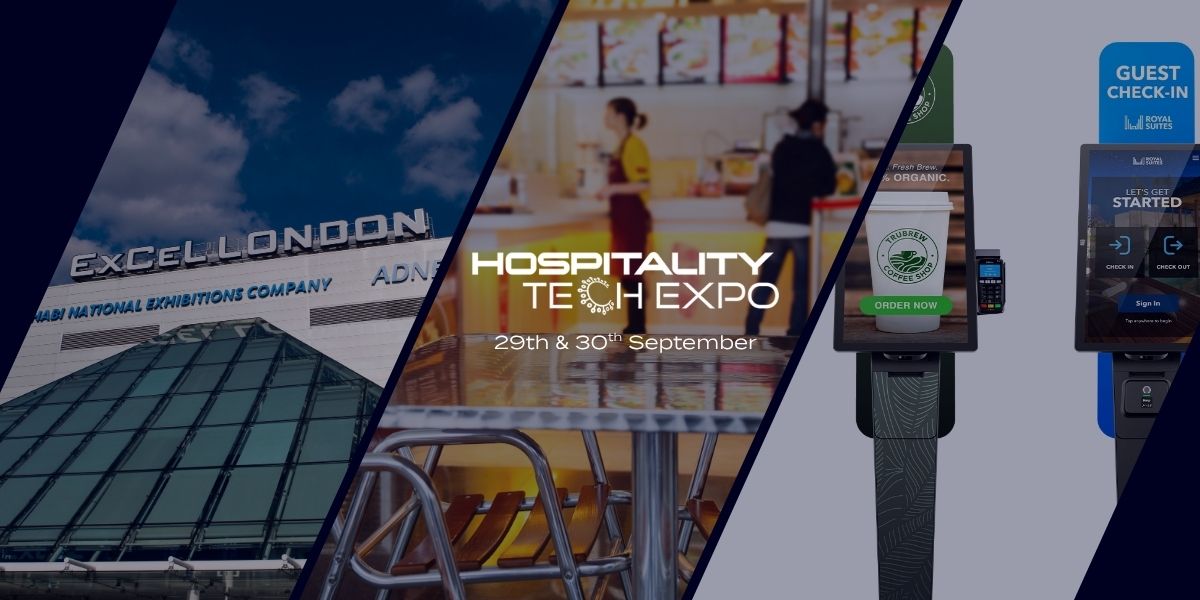
Visit Levata in stand HT218 at the UK’s Hospitality Tech Expo 2026 to see self-service technology demonstrations that help hospitality businesses elevate guest experiences, streamline ordering and improve operational efficiency.