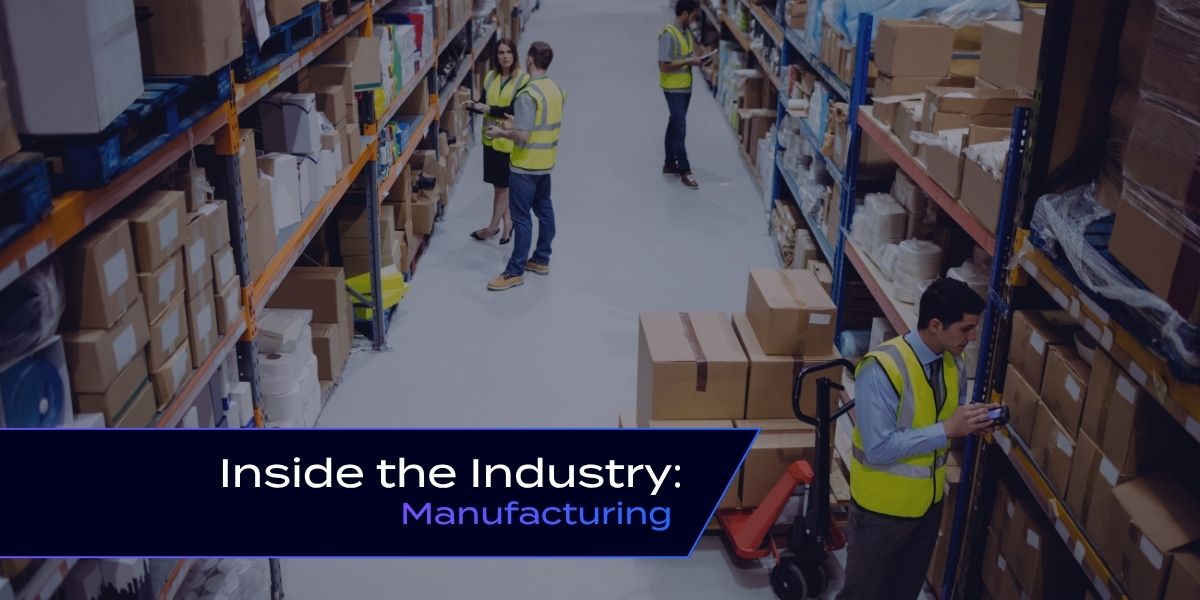
Manufacturers are moving from fixed workstations and paper to mobile-first processes. The benefits of deploying manufacturing solutions to digitize processes include real-time visibility, operational agility, and frontline worker productivity. A managed mobile approach also enables standardization, from workflows to the technology that supports it, enterprise-wide. Furthermore, the benefits of a mobile technology aren't limited to production; they can optimize maintenance, quality control, and inventory management.
What Is a Mobile-First Factory?
The mobile-first factory model utilizes mobile devices rather than paper-based processes and data entry on fixed workstations. Instead of using paper-based systems and keying in data, frontline employees communicate with team members, receive work orders, capture data, track inventory and work in process via apps. Depending on their roles, they can use various mobile device form factors, such as rugged tablets, handheld computers, wearables, or vehicle-mounted computers.
How to Build a Connected Factory
A key to implementing this model successfully is evaluating existing workflows, identifying gaps or inefficiencies, and then deploying applications that guide employees through tasks step by step. As a result, the manufacturer creates a connected frontline that uses work orders, digital quality control checklists, maintenance logs, alerts, and inventory updates, and immediately shares data with the enterprise resource planning (ERP) or manufacturing execution system (MES).
Manufacturers must also choose devices for their employees that are the best fit for the way they work, supported by reliable systems. Essential devices and infrastructure include the following:
Rugged Mobile Computers and Tablets
Rugged mobile devices in the connected factory must be purpose-built for use in harsh environments, with high IP and drop ratings, protection from extreme temperature changes, and break-resistant screens that employees can use with gloved hands. Manufacturers should also equip employees with the right mobile device form factor for the tasks they perform, e.g., industrial wearables for picking in the warehouse and vehicle-mounted tablets for forklift drivers. To successfully implement mobile solutions, apps and devices should give employees immediate access to the data and functionality necessary for seamless workflows, with no need for manual workarounds.
Handheld Scanners
Zebra Technologies reports, for example, that digitizing goods receipt can save workers three hours per worker per shift and accelerate receiving by 42%.
Equipping frontline employees with handheld scanners also increases data accuracy. Scanners immediately read data from barcodes or RFID tags and update the inventory management solution in real time. Employees can also scan equipment to accurately log maintenance or report an issue for greater operational visibility.
Wireless and Private 5G Network
Seamless mobile workflows rely on reliable wireless networking that keeps the frontline connected. Manufacturers must ensure that the network is tailored to the environment; a site survey is crucial for identifying gaps or potential interference and optimizing signal strength. Manufacturers can use a combination of wireless networking technologies, such as 5G to create a dedicated private network for dedicated bandwidth, low latency, and coverage over expansive facilities for mission-critical workflows, and wireless LAN to support inventory management, work orders, and team communications.
Manufacturing Execution System
The MES is the control center that connects mobile workers with real-time data, work orders, digital blueprints, updates, and captures log data from employee devices and factory floor technology. The MES enables manufacturers to achieve traceability, efficient scheduling, and optimal product quality.
Where to Implement a Mobile-First Strategy
A mobile-first approach to digital manufacturing requires more than issuing one type of device to frontline employees across the board. A successful mobile-first factory approach will leverage the right devices and apps to enhance productivity and performance in multiple areas of the operation.
- Production Management: Employees can use tablets or handheld or wearable computers to eliminate paperwork instructions and increase productivity. Devices should be ergonomic to prevent fatigue or injury from repetitive motion, and wearable or vehicle-mounted computers allow employees to have both hands free for lifting, driving, or other activities that can introduce risks. Zebra Technologies reports that devices designed for the task at hand can increase productivity by 1.8 to 2.3 times.
- Quality Control: Deploy rugged tablets or handheld computers for mobile inspections. Devices should have cameras for photo and video capture for complete documentation. They should also facilitate instant data sharing with stakeholders so they can respond to issues with greater agility to reduce waste and financial losses from product quality or equipment issues.
- Maintenance: Mobile devices empower employees to immediately receive predictive maintenance alerts and access service history on demand. The maintenance team can also use their mobile devices to access warranty information, schematics, and instructions for guided repair.
- Inventory Management: Workers in the warehouse equipped with wearable computers can scan items for accurate picking and move from order to order without having to keep paper records or input data at a fixed workstation. Mobile devices also enable real-time inventory updates and accurate parts and materials tracking through the production process.
Business Benefits of a Mobile Solution Deployment
Manufacturers will see a fast return on investment (ROI) from deploying mobile solutions. Gains will come from higher throughput and less downtime than with traditional operations. Zebra Technologies, in a joint study with Oxford Economics, found that modernizing workflows results in a 19% increase on average in employee productivity and a 19% decrease in costs.
A mobile-first factory model also provides manufacturers with other advantages, including less shrinkage and loss from inaccurate inventory and higher customer satisfaction. Accurate, real-time updates can also contribute to better regulatory and corporate policy compliance. A well-designed app on a purpose-built mobile device can also decrease the time it takes to onboard and train new employees. In general, the model delivers high value and positions the company for continued competitiveness.
Transform Operations, Mobile-First
Equipping employees with the right-fit mobile devices can enhance production, quality control, maintenance, and inventory management processes. Outcomes of implementing mobile solutions range from greater employee productivity, lower costs, increased data accuracy, higher product quality, and more satisfied customers.
Achieving the vision of the mobile-first factory, however, requires expertise. Buying 2,000 rugged devices is relatively straightforward. However, correctly configuring, connecting, and deploying the right devices to the right workers is much more complex. Furthermore, devices in service need management, support, and occasional repairs and replacement.
Working with a partner with technology and industry expertise will ensure success and save time with planning, procurement, and implementation. The most valuable partner will also offer wireless site surveys for reliable connectivity and performance, ongoing managed and network services, support via help desk, and service with advanced exchange.
Levata understands the mobile-first factory, what manufacturers need to maximize the benefits of this model, and how it can help your business reach its goals. Contact us.