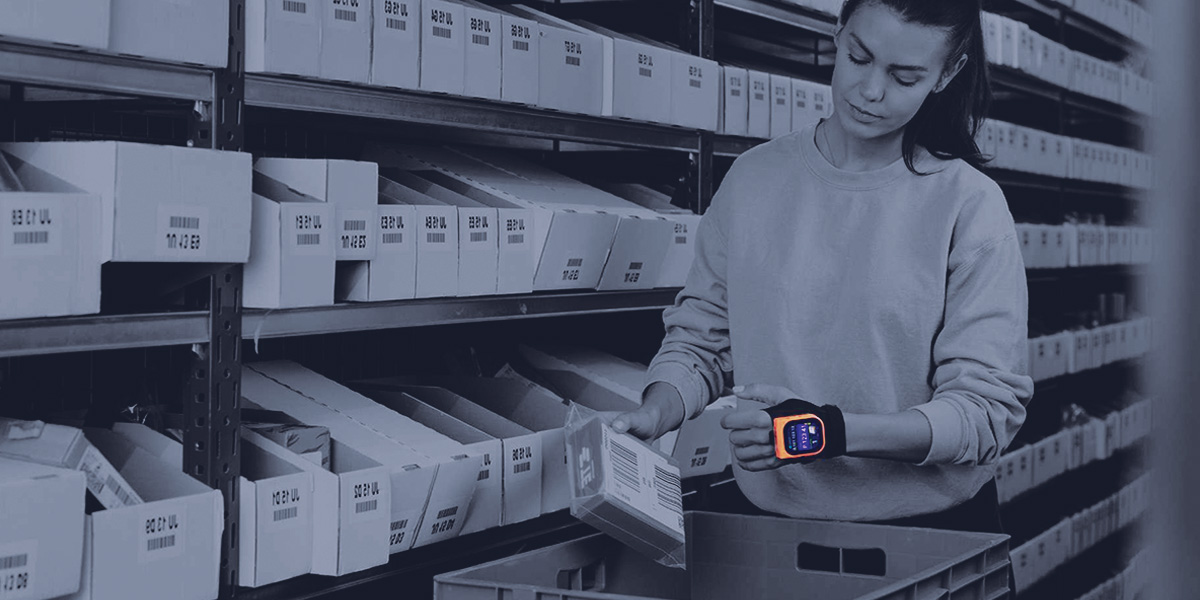
Ergonomic Debt Is Costing Your Warehouse More Than You Think
Discover how ergonomic technology and wearable barcode scanners help warehouses reduce worker fatigue, improve productivity, lower turnover, and create safer, more efficient operations.

My Cart
—
Incl. VAT
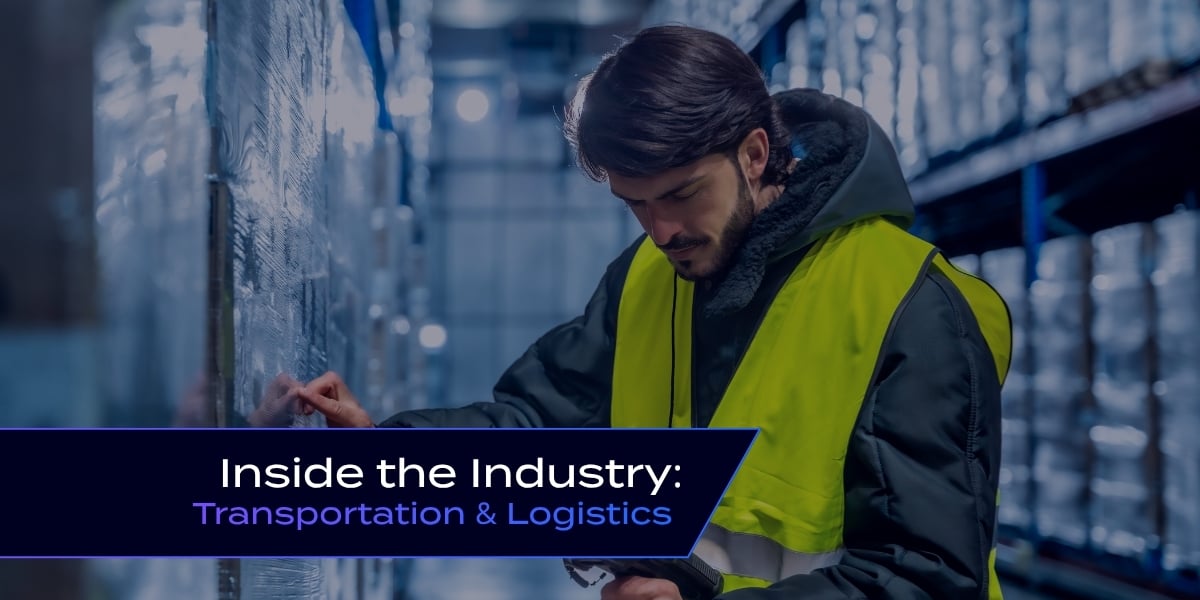
Paper-based processes are steadily becoming a thing of the past. Working from paper pick lists, bills of lading, manifests, and other documents is inherently slow, inefficient, and prevents a real-time view of operations and deliveries. The industry is moving toward standardized, digital workflows, and businesses that continue to rely on paper-based processes will struggle to compete. Operations simply cannot keep up with their counterparts that equip drivers and warehouse workers with mobile apps that guide them, step by step, through the most efficient way to work. Standardized digital workflows are no longer "nice to have." They are the foundation of modern logistics execution.
Digital workflows replace manual, paper-based processes with guidance via applications running on enterprise mobility devices, stationary terminals, or equipment interfaces. Workflow standardization requires an evaluation of processes to understand critical steps, determining whether they need to be optimized, and establishing consistent procedures enforced by workflow apps. Employees enter data to move through the steps of a task and cannot proceed until they fully accomplish that phase of work.
Efficient, cost-effective T&L operations depend on optimizing workflows. With Zebra Technologies reporting that labor accounts for 60% to 70% of costs, replacing manual workflows with standardized digital workflows will save time and money. The following processes are a good starting point for T&L company solutions implementations and, ultimately, more efficient operations.
Managing a warehouse or delivery fleet requires executing plans and adapting to change. Digitizing workflows allows managers to see where all employees are, what they're working on, immediate notifications of issues or excursions, and how to reassign tasks to keep things moving. Artificial intelligence (AI) is now enhancing systems to analyze data and automate task orchestration processes. Zebra Technologies surveyed T&L companies and found 55% of organizations still use paper-based methods to manage logistics. Workflows standardization brings efficiency and accuracy to the process.
Real-time task orchestration requires a connected frontline. Companies must equip employees with rugged mobile computers with the right form factor for their jobs, including handheld computers, vehicle-mounted computers, or wearables. The devices they use must run workflow apps with warehouse management system (WMS) or a transportation management system (TMS) integration, and enable barcode or radiofrequency identification (RFID) data capture for accuracy and speed. Companies also need reliable wireless infrastructure to support real-time connectivity, and mobile device management (MDM) or unified device management (UDM) to control, monitor, and manage devices and maximize uptime.
In addition to the impact real-time task orchestration can have on the bottom line, T&L companies also benefit from:
T&L companies, particularly those that provide last-mile delivery, will streamline processes and increase customer satisfaction with automatic proof of delivery. This technology uses AI and workflow apps running on rugged mobile devices to verify deliveries, capture signatures, photos, timestamps, and global positioning system (GPS) data, and notify customers of delivery status. Automatic proof of delivery solutions provide return on investment (ROI) in several ways, including:
The quality control (QC) team can replace paper checklists with workflow apps. These apps, running on rugged mobile devices, can include photo capture and even AI machine vision to accomplish faster, more comprehensive inspections of orders and shipments. Mobile inspection apps can also automate reporting and contribute accurate, reliably documented data to a chain of custody.
Additional benefits for mobile inspections include:
In the warehouse, workers equipped with wearable computers and headsets can work hands-free and eyes up with no wasted motion when picking orders. Digital workflow standardization eliminates fumbling with paper and allows pickers to immediately move from one order to the next. Barcodes or RFID tags enable accurate and fast data capture, and a well-planned, monitored, and maintained wireless infrastructure ensures that workers stay connected in all areas of the facility.
According to Zebra Technologies, voice-directed picking gives warehouses:
Moving on from paper takes planning and strategy. T&L companies must begin with an evaluation of current processes to understand where teams continue to rely on manual processes, including understanding workarounds that employees use. Ingrained, long-time processes can be difficult to change, so it's best to look for quick wins that will help change the company culture to one that embraces digital workflows that make work easier.
Levata's experienced consultants can help you identify and digitize workflows to deliver ROI quickly and decisively. Then the team will help you plan a roadmap for achieving company-wide digital transformation. Levata offers site surveys, knowledge mapping, device deployment, integration, and configuration to ensure the optimal solution for your operation. Levata also offers ongoing device management and support, including TrueSupport help desk, repair, and lifecycle services. We also decrease the burden on your in-house IT team by offering managed services for mobility, networking, and infrastructure.
With Levata, your business gains a long-term partnership focused on your success, not just a one-time implementation project. Contact us to take the first step toward a more efficient, profitable operation with workflow apps and the systems to run them.
Discover how ergonomic technology and wearable barcode scanners help warehouses reduce worker fatigue, improve productivity, lower turnover, and create safer, more efficient operations.
Explore operational visibility solutions using RFID and mobile data capture to improve inventory accuracy, reduce errors, and boost efficiency.

Improve retail device deployment with Levata and Esper. Streamline provisioning, simplify management, reduce downtime, and scale faster.