Visibility has emerged as the core foundation of supply chain operations, accomplishing so much more than enabling real-time reports. It elevates supply chain management with traceability and control. Technologies that enable end-to-end traceability empower operators to pinpoint inbound raw materials, outbound shipments, and reverse logistics at shipment, pallet, or item level.
With end-to-end traceability solutions tailored to their operations, supply chain operators can meet their goals for accelerated speed and accuracy, a focus of MODEX 2026. However, this is an improvement area for most organizations. Supply Chain Movement reports that less than 30% have end-to-end visibility.
What Is End-to-End Supply Chain Traceability?
End-to-end traceability allows an enterprise to track all goods, from raw materials or parts receipt to delivery to the customer. Depending on the materials or products the company is moving, a digitized supply chain can also monitor their condition en route. End-to-end traceability also empowers companies to identify issues in real time and address them before they lead to delays, waste, and losses.
This technology has the added advantage of collecting data that the company can use to coordinate shipments, share with manufacturing partners so they can optimize their schedules, and inform customers of timelines and deliveries.
What Is Driving End-to-End Supply Chain Traceability?
Several trends are driving supply chain traceability solution implementation, which reflect the need for more secure operations, heightened customer demands, and an increasingly competitive landscape.
Heightened Risk
As global supply chains grow more complex, enterprises need the ability to monitor shipments, service quality, and excursions, if any, so they can adapt to them with agility. Some supply chains are targets for counterfeiting and fraud, which requires enterprises to put safeguards in place that hold suppliers accountable and guarantee authenticity.
Stricter Compliance
Supply chain operators must ensure compliance with continually evolving regulations, including recall readiness, tariffs, and sustainability mandates, which, if enterprises do not address them, can drive up costs. Enterprises must also meet service level agreements (SLAs) for quality, time, and accuracy. Failing to meet SLA specifications can result in costly chargebacks, waste, and rework.
Shipment Transparency
Whether an enterprise operates a B2B supply chain or ships directly to consumers, supply chain traceability allows companies to answer customers when they ask for an update on their orders. A digitized supply chain continuously tracks and counts products for inventory accuracy and confirms orders and their destinations to prevent mis-shipments. Providing customers with visibility into shipment progress helps enterprises build customer confidence and trust, elevating their competitiveness.
Brand Protection
Supply chain traceability allows enterprises to confirm they can deliver materials or products as promised. It also allows them to certify that they ethically sourced goods, and can guarantee quality and compliance. Transparency into the process, documented with traceability solutions, helps an enterprise tell a positive brand story.
How to Achieve Supply Chain Traceability
A digitized supply chain is necessary for real-time information about the location, condition, and ETA of a shipment. Enterprises can create a connected technology ecosystem that supports supply chain traceability by deploying these technologies.
Pallet-, Carton-, or Item-level Tracking
Barcode technology enables data capture at key touchpoints in the journey, but radio-frequency identification (RFID) technology enables automatic, continuous data collection without manual input. RFID tunnels or fixed RFID readers capture data from RFID tags, thousands at a time, as shipments pass through chokepoints for automated dock door, receiving, or shipment verification.
Delivery Tracking
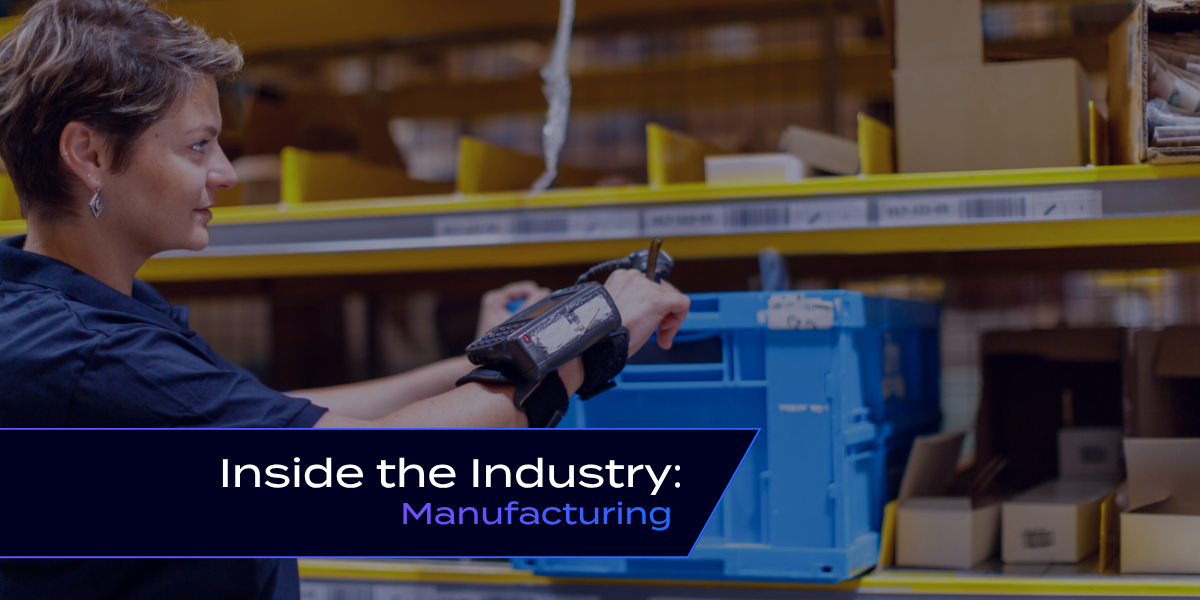
Rugged handhelds, vehicle-mounted devices, and wearables can provide information on driver locations, automatically update delivery status, and capture delivery confirmation. Employees can also use enterprise mobility solutions to inspect shipments and the condition of cartons upon delivery, log exceptions, and receive work orders in real time.
Inventory Management
RFID technology enables continuous inventory and cycle counts for accurate, real-time inventory data on demand. RFID technology also empowers enterprises to quickly locate items to fulfill an order or track work in process (WIP). Equipping employees with mobile RFID readers streamlines the process and helps supply chain operators make the best use of labor.
Vision Systems
Machine vision can automate order and shipment confirmation, providing an automated quality control check that prevents costly mis-shipments and errors. Vision systems can also help enterprises optimize shipment dimensions to save space and shipping costs.
Condition Monitoring
End-to-end supply chain visibility can do more than provide location data. Sensors can confirm that cold chain shipments maintained the proper temperature range during transport, or that fragile items were not subjected to jolts, shocks, or vibrations before reaching the customer.
Connected Frontline Solutions
Keeping frontline workers connected with rugged handheld computers, tablets, wearables, and vehicle-mounted devices enhances traceability. With these tools, teams can validate picks and shipments, update shipment status, log exceptions, capture inspection data, and confirm workflow progress in real time.
Network Optimization
Supply chain traceability depends on reliable network connectivity. Enterprises also require application programming interfaces (APIs), electronic data interchange (EDI), and cloud platform integration with supply chain management system (SCM) or transportation management system (TMS) to create an end-to-end solution.
Intelligent Supply Chain Traceability
Artificial intelligence (AI) has the potential to enhance traceability by turning data collected during fulfillment, shipments, and deliveries into actionable insights. AI can quickly analyze data to respond to disruptions more quickly, for example, using predictive analytics to identify risks from changing weather, shipment bottlenecks, and supplier performance. Automating tasks with AI has shifted the focus from speed to consistency and predictable execution, reducing manual errors and seamlessly documenting compliance. The results of AI implementation can be dramatic: Oxford Economics reports AI can drive productivity by 20%.
The Impact of End-to-End Traceability Across Industries
Supply chain traceability solutions offer benefits to enterprises with the objectives of operating more efficiently, cost-effectively, and accurately, for example:
- Food & Beverage: End-to-end traceability solutions allow companies to tell a farm-to-fork story, providing information about product origins and sustainability. They also help avoid waste from perishables and streamline recall management.
- Pharmaceutical: Traceability empowers companies to trace drug precursors, combat counterfeit drugs, and comply with regulations. With supply chain visibility, companies can ensure consumer safety and use data to respond to changing demand with greater agility.
- Automotive: End-to-end visibility gives automotive manufacturers data for decision-making regarding suppliers, quality, and cost control over a global supply chain. Supply chain traceability also reduces excursions and lost inventory.
- Electronics: Traceability solutions give enterprises additional tools for navigating the chip shortage by tracking supplier performance and delivery timelines. It also helps companies ensure product authenticity to help preserve their brand reputations.
It’s Time for a New Supply Chain Partner
Organizations will benefit from working with a partner with a track record of successfully implementing, optimizing, and managing supply chain visibility solutions. A partner with expertise in RFID, enterprise mobility, vision systems, network optimization, and other technologies necessary for end-to-end visibility can help organizations plan, streamline deployment, anticipate issues, and proactively address them. Organizations can also leverage an experienced partner’s expertise to perform site surveys and optimize wireless networks and RFID tunnels.
Organizations will also benefit from a partner that can provide ongoing managed services, including network monitoring, performance tuning, and lifecycle management, such as mobile device management, help desk, advanced exchange, repairs, and recycling at end of life.
Levata offers it all. Contact us to learn more about creating end-to-end supply chain visibility for more productive, predictable, cost-effective operations.