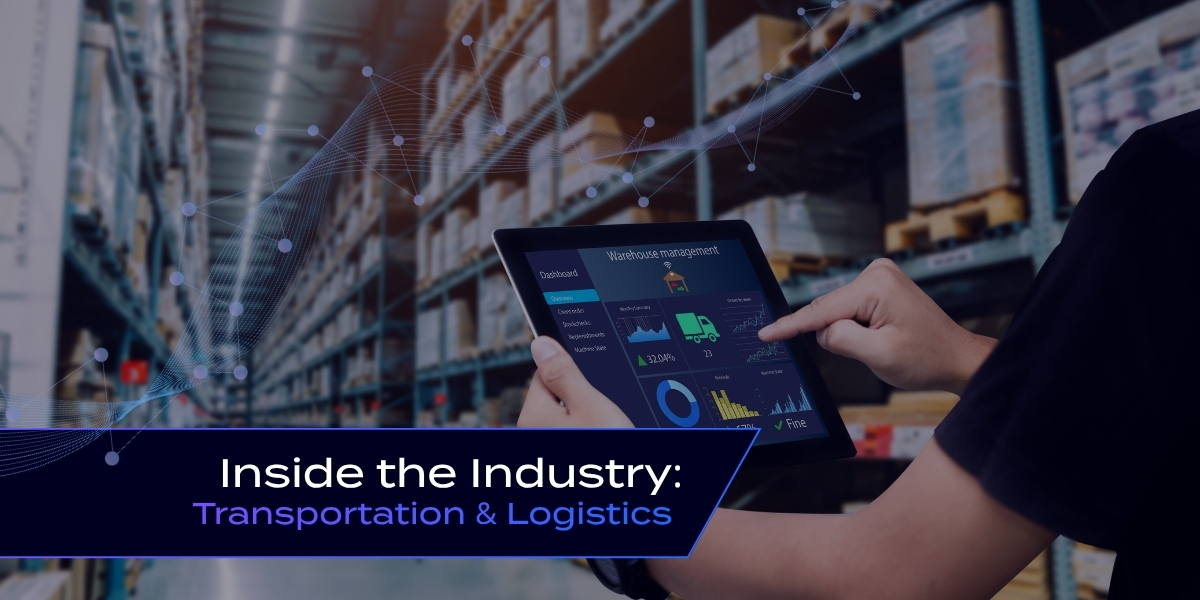
The most efficient transportation and logistics (T&L) operations implement workforce technology to increase throughput. However, the focus in the most successful organizations isn’t only on technology itself. Maximum performance results when a T&L company considers its workforce and equips them with the specific tools they need for success. Drivers, dock workers, and warehouse workers can do their jobs more efficiently and contribute to a company’s productivity, accuracy, and cost-efficiency when they’re equipped with mobile devices.
Why Is Traditional Frontline Workforce Technology Becoming Obsolete?
Legacy T&L operations included paper-based processes, communicating on two-way radios, and accessing management from fixed terminals. Operators had to contend with a lag from when employees completed tasks, shipped orders, or made deliveries until updated information appeared in their warehouse management system (WMS) or transportation management system (TMS). However, paper-based processes and aging technology cannot support modern customer expectations for speed, accuracy, and real-time data transparency. Meeting these demands requires a connected frontline workforce.
What Is a Connected Frontline Workforce?
A connected frontline workforce equips T&L company employees with rugged enterprise mobility solutions that give them access to work orders or routes, data, and communications. Mobile technology keeps employees connected digitally through their shift, replacing paper and data entry on shared terminals with real-time access to systems and information.
Why Create a Connected Frontline Workforce?
Well-planned and expertly implemented technology solutions enhance workflows and improve performance, both for individual employees and the company overall. A connected workforce enhances T&L operations with modern capabilities, including:
1. Real-Time Task Execution
Mobile technology streamlines work and increases productivity. Employees and drivers immediately receive work orders, dispatch orders, or routing and delivery details so they can move seamlessly from task to task. Frontline workers can also use mobile devices to access inventory or customer data and use barcode scanners to update management systems with proof of delivery or pick completion. Managers gain the ability to make informed decisions based on the most up-to-date, accurate information.
2. Proof of Delivery
Mobile workforce technology empowers T&L companies to automatically capture and document proof of delivery. Using mobile devices, drivers can take photos showing the condition of orders upon delivery, automatically record the time, and upload a signature of the recipient, when required. Mobile technology replaces paper, which can be illegible or lost, with a digital, indisputable chain of custody.
3. Safety Workflows
In addition to data capture and data sharing, mobile technology also gives T&L companies an effective way to stay in constant communication with their drivers and on-site teams. Enterprise mobile devices enable drivers to receive alerts about weather or other changing conditions.
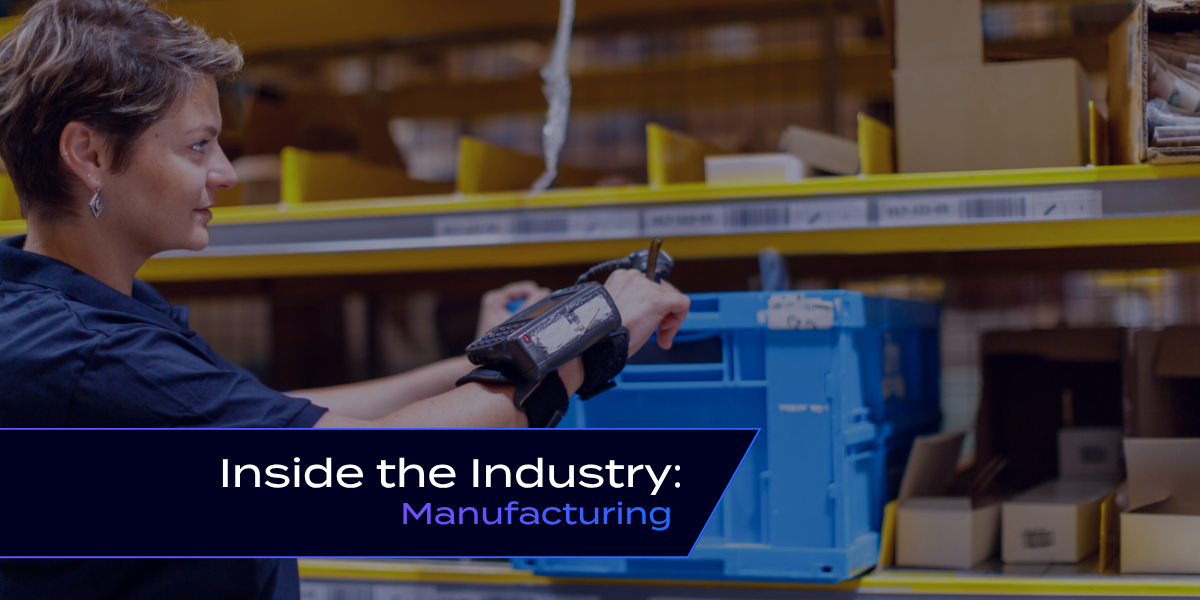
In the warehouse, workforce technology can support hands-free communications, like wearable scanners and voice-enabled systems. These solutions allow employees to work safely, using two hands when climbing or lifting as they store or pick inventory.
4. Compliance
T&L companies must comply with a range of regulations, from FMCSA electronic logging, OSHA digital incident reporting systems, and Department of Transportation training validation. Workforce technology gives T&L companies and their employees a way to track progress and completion on training and build compliance into digitized workflows.
5. Improved Visibility
With workforce technology, T&L companies gain instant access to operational and customer data and immediate notification when issues occur. Visibility into what’s happening in the field empowers managers to provide support for fast resolution and smart decision-making.
Connected technology also gives the IT department a way to monitor mobile device health and address issues with remote support. If a device needs repair, IT can configure a replacement device from the spares pool to avoid downtime.
Essential Connected Frontline Workforce Technology
To maximize productivity across an organization, a T&L company can deploy devices and applications that meet the needs of employees working in different roles. Examples of various solutions that can benefit employees in different parts of the organization include:
Drivers
- Handheld computers, barcode scanners, and vehicle-mounted tablets for data capture and data access
- Cloud-based communications with push-to-talk messaging
- Electronic logging and automated proof of delivery
- AI-powered routing that automatically adapts and optimizes deliveries
Dock Workers
- Wearable technology that gives them access to information while decreasing the risks of personal injury
- RFID for automated receiving
- Barcode technology for efficient, accurate staging
- Mobile access to data and streamlined communications for faster cross-docking
Warehouse Workers
- Warehouse and distribution data collection with barcodes or RFID
- Voice-enabled picking for continuous work, higher productivity, and throughput
- Ergonomic, hands-free solutions to enhance worker safety
Work with a Partner with Expertise in Workforce Optimization
T&L companies planning to implement or upgrade to mobile technology will benefit from working with an experienced solution provider partner. While you focus on your core business activities, an enterprise mobility and workforce technology partner can design solutions based on your business objectives, conduct a site survey for reliable mobile device connectivity, and plan deployment. Your partner can conduct a proof of concept, and when you’re ready to deploy at scale, procure, stage, kit, and configure devices.
When you choose to partner with Levata, you get all those benefits in addition to our expertise in application development and software integration. Levata offers lifecycle services, including spares pool management, advanced exchange, repairs, reconfigurations, and end-of-life services. Levata also offers help desk, training, and managed services, including network management and monitoring.
Connect with us to take the first step in connecting your frontline. Contact our team to learn more.