Why Manufacturers Are Moving to a Mobile-First Factory Floor
Transitioning to a mobile-first factory builds a more productive workforce, increases accuracy and product quality, reduces costs, and increases customer satisfaction.

My Cart
—
Incl. VAT
Warehouse operations have never been under greater pressure. Companies are expected to move more products, fulfill orders faster, and maintain near-perfect accuracy—all while facing ongoing labor shortages and increasing employee turnover. While many organizations have invested in warehouse management systems, barcode scanning, RFID, and automation, one critical issue often goes unnoticed: ergonomic debt.
For years, warehouse ergonomics has been viewed primarily as a workplace safety initiative. Today, it's becoming a business performance strategy. As labor shortages persist and fulfillment expectations continue to rise, organizations are discovering that worker comfort, productivity, and retention are closely connected. Poorly designed workflows, outdated handheld devices, and repetitive tasks create what researchers call “ergonomic debt” — the accumulated physical strain that gradually reduces productivity, increases absenteeism, and drives employee turnover.
To better understand the impact of physical strain on today's warehouse workforce, ProGlove conducted an extensive study of warehouse managers and frontline workers. The research findings show that investing in ergonomics isn't simply about reducing injuries—it's about creating faster, more efficient operations while improving employee satisfaction and retention.
36% of warehouse workers missed at least one shift in the past year because of work-related pain or fatigue.
73% of workers say they would consider leaving their employer for one that better prioritizes physical well-being.
64% of warehouse employees report experiencing lower back pain, while more than half finish a typical shift feeling significantly fatigued.
96% of warehouse managers say outdated tools slow operations down, yet 73% admit their current equipment is not ergonomic.
One in four warehouse managers reported losing 11-20% of their workforce due to injury-related turnover in the past year.
Workers themselves feel the impact every day, with lower back pain, wrist strain, and fatigue becoming increasingly common. Even more concerning, nearly three-quarters of warehouse employees say they would consider leaving for an employer that places a greater priority on their physical well-being.
The good news is that ergonomic improvements don't require sacrificing productivity. In fact, the opposite is true. Warehouses that invest in ergonomic technology consistently report higher throughput, fewer errors, improved employee satisfaction, and better workforce retention. When employees are more comfortable, they work more efficiently and are better able to maintain consistent performance throughout the day.
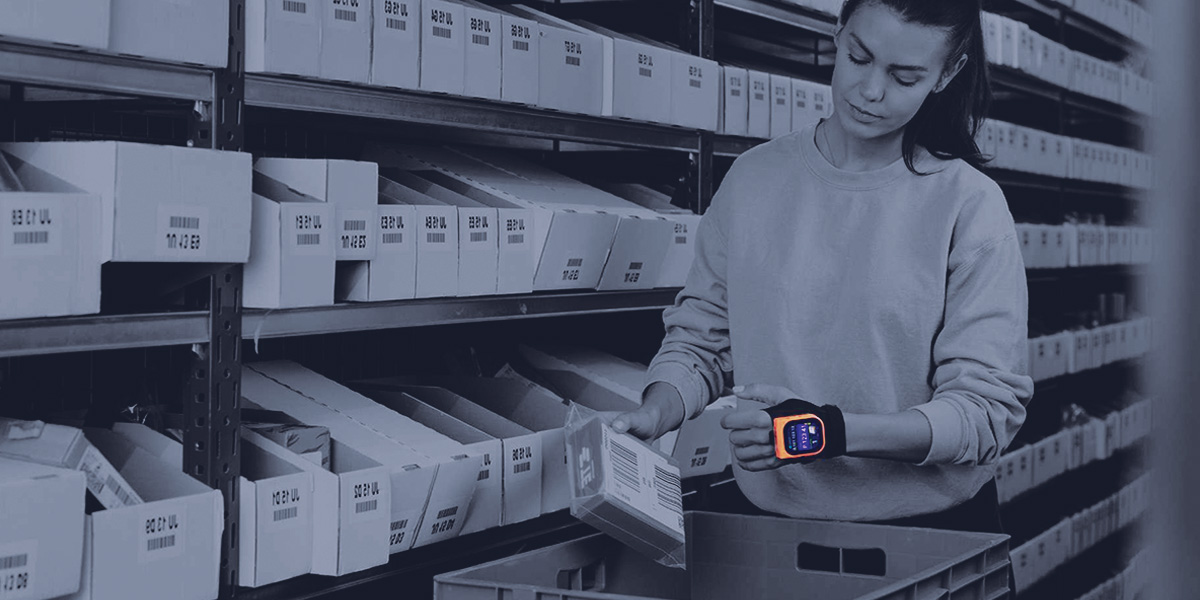
One of the simplest ways warehouses can improve ergonomics without disrupting existing workflows is by incorporating wearable barcode scanning technology. Wearable barcode scanners like the ProGlove MARK 3 allow workers to keep both hands free while capturing barcodes quickly and accurately. The result is less repetitive strain, greater mobility, faster task completion, and a natural workflow for picking, packing, replenishment, and inventory operations.
Here’s how the ProGlove MARK 3 is improving warehouse operations:
Lightweight, Wearable Design
Built for: At just 39 grams, the MARK 3 is made to be worn comfortably on the hand instead of being carried throughout the shift.
Why it Matters: Workers eliminate thousands of repetitive grab-and-scan motions every day, reducing hand, wrist, and arm fatigue while maintaining a more natural workflow.
Hands-Free Productivity
Built for: Employees can scan barcodes while keeping both hands available to handle products.
Why it Matters: Whether picking orders, moving inventory, or packing shipments, workers spend less time switching between handling products and operating a scanner, leading to faster task completion and improved safety.
Long-Range Scanning Performance
Built for: Captures barcodes from approximately 4 inches up to 20 feet away.
Why it Matters: Workers spend less time repositioning themselves or inventory, making the scanner ideal for pallet handling, receiving, forklift operations, cross-docking, and high-rack storage.
Designed for Industrial Environments
Built for: Rugged IP65-rated construction with a battery capable of up to 12,000 scans on a single charge.
Why it Matters: The scanner withstands dust, moisture, and demanding warehouse conditions while remaining operational throughout an entire shift with minimal downtime.
Immediate Scan Confirmation
Built for: Haptic vibration, visual LEDs, and audible feedback instantly verify every successful scan.
Why it Matters: Workers stay focused on their tasks instead of checking screens, helping reduce rescans and improve inventory accuracy.
Easy Integration with Existing Systems
Built for: Connects seamlessly with warehouse mobile computers, tablets, vehicle-mounted terminals, and WMS applications.
Why it Matters: Organizations can improve worker ergonomics without replacing existing software or redesigning warehouse workflows.
Operational Visibility
Built for: ProGlove Insight software provides centralized device management and performance analytics.
Why it Matters: IT and operations teams can deploy devices faster, monitor fleet health, identify workflow bottlenecks, and continuously optimize warehouse performance.
As labor shortages continue and warehouse operations become increasingly demanding, investing in ergonomic technology is no longer simply a health and safety initiative—it is a business strategy. Organizations that prioritize worker well-being through smarter tools like the ProGlove MARK 3 are creating safer workplaces, improving operational efficiency, and building environments where employees want to stay.
Reducing ergonomic debt isn't just about preventing injuries. It's about designing warehouses that enable both people and performance to thrive together.
Contact Levata today to learn how to integrate ergonomics into your warehouse operations today.
Transitioning to a mobile-first factory builds a more productive workforce, increases accuracy and product quality, reduces costs, and increases customer satisfaction.

Honeywell PSS devices remain available through Levata under Brady IPS. Learn what has changed and what stays the same for products and support.
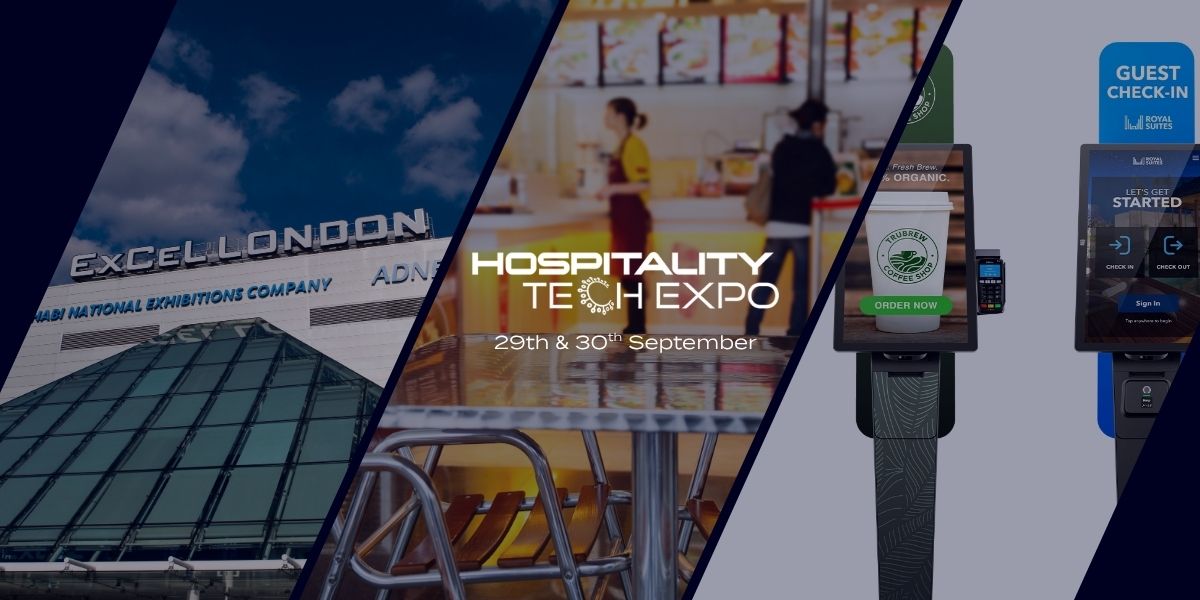
Visit Levata in stand HT218 at the UK’s Hospitality Tech Expo 2026 to see self-service technology demonstrations that help hospitality businesses elevate guest experiences, streamline ordering and improve operational efficiency.