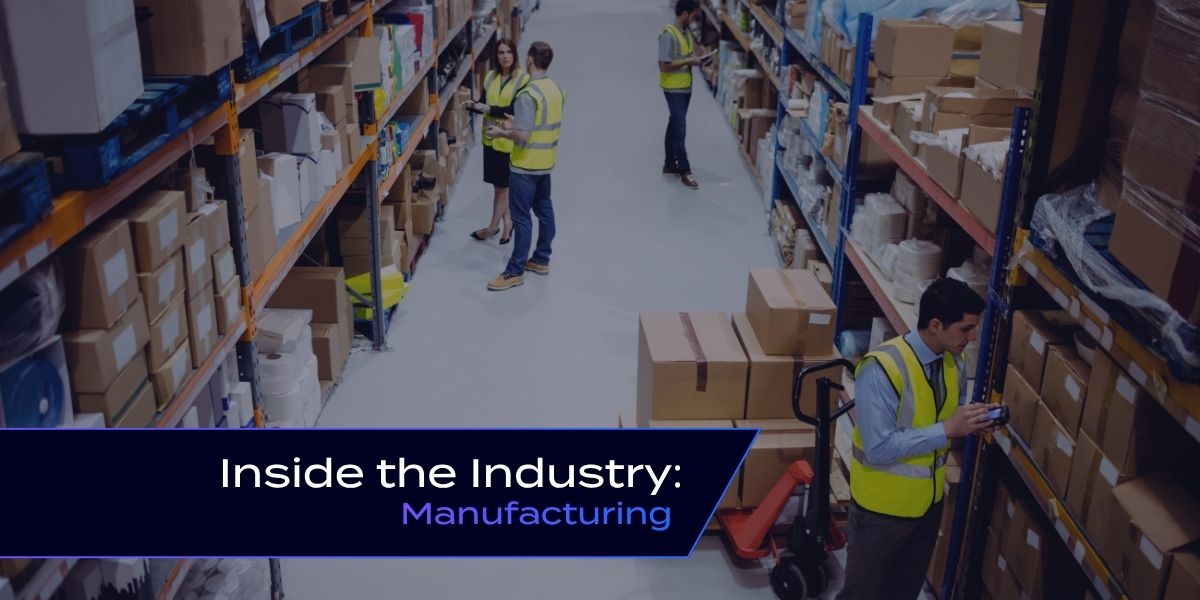
Why Manufacturers Are Moving to a Mobile-First Factory Floor
Transitioning to a mobile-first factory builds a more productive workforce, increases accuracy and product quality, reduces costs, and increases customer satisfaction.

My Cart
—
Incl. VAT

Author: Jared Carter
Inspections continue to be crucial processes for identifying defective products, misdirected shipments, equipment status, and compliance issues. But manufacturers are transitioning away from paper-based protocols and toward digital inspections and compliance audits.
Digital inspections leverage apps on mobile devices to accomplish inspections more thoroughly, accurately, and in less time. Instead of using paper checklists for forms, digital solutions using validation logic guide inspectors systematically, ensuring each step is fully addressed before letting the inspector move on. Mobile inspection solutions also give inspectors the advantage of documenting what they see with photos, videos, time stamps, barcode data capture, GPS location, or sensor data by using native features of their mobile devices.
When manufacturers configure or develop an inspection or audit solution, they need to choose the right mobile devices for inspections in manufacturing operations. Tablets or handheld computers up to the task must have these six features:
Inspectors may work inside or outside a facility or conduct inspections in areas where connectivity is intermittent or unreliable. Inspectors need to stay connected wherever they work to share inspection data with their quality management, enterprise resource planning (ERP), or other management system. Mobile devices should have connectivity options, including 5G or 4G LTE, Wi-Fi (6/6E/7), or Bluetooth. Automatic network switching ensures inspectors can work without interruption as they move to different areas.
Devices should have a barcode scanner or RFID reader to capture data from products or equipment. Devices with native GPS can add location data automatically. Capturing data digitally eliminates the need to key in numbers, which can lead to errors and rework.
Mobile devices for inspection or audit solutions should have a high-quality camera for photos and video. Speech-to-text capabilities can save time when adding notes, and signature capture can provide immediate acknowledgment of the inspection when required.
Inspectors in a manufacturing plant need devices that perform and last in tough environments. Devices should have a high IP rating for resistance to damage from liquids and dust or dirt ingress, and break-resistant screens that inspectors can use with gloved hands and read at any angle. Devices should have fast processors and enough memory for fast data capture and smooth performance, and a long-lasting, swappable battery.
Mobile devices should be security-hardened and include access control, like multifactor or biometric authentication, so only authorized people can access the devices and inspection data. Manufacturers should choose devices that they can manage centrally, keeping them updated and, if lost or stolen, locking or wiping them.
Devices should be easy to carry and use so that they don't slow down inspectors or cause fatigue. Devices with available accessories, like hand straps, vehicle mounts, and docks, can support use and inspection workflows.
One of the advantages of digital compliance audits and inspections is real-time data availability. However, that isn't possible without a reliable network. The network gives inspectors the ability to report immediately, including images, video, and documentation. This gives decision-makers more agility to respond to and correct issues before shipments to customers or a problem with a manufacturing process creates waste and losses.
To ensure that the network has maximum availability, manufacturers should leverage experienced providers to perform a site survey and plan infrastructure that will support all devices, including mobile devices, equipment, sensors, and computers connected to the network, for seamless workflows. Manufacturers should also prioritize network monitoring and management to maximize performance and uptime.
Manufacturers will see a range of benefits when transitioning from paper-based to digital compliance audits and inspections:
A manufacturing technology provider with experience in digital inspections will help manufacturers ensure that solutions deliver maximum value. An experienced provider will offer deployment services that include staging, kitting, and configuration so that they arrive ready to use, whether onsite or in the field. Manufacturers can also rely on a leading digital solution provider for help desk, advanced exchange, and repair services in addition to performance tracking and reporting.
Manufacturers can also partner for expert site surveys, network optimization, and network monitoring. Digital audits and inspections rely on industrial Wi-Fi, wireless coverage throughout the facility, secure networking, and reliable synchronization. Working with a leading provider prevents poor connectivity that can undermine user adoption and data integrity. By optimizing mobile connectivity, manufacturers can achieve all the benefits of transitioning to digital methods, including quick wins in product quality, customer satisfaction, and productivity.
To learn more about reliable, high-performance solutions, contact Levata.
About the Author:
Jared Carter, Senior Director of Enterprise Sales at Levata, works closely with organizations to design and deliver manufacturing technology strategies that improve operational performance across the entire supply chain. With deep experience helping manufacturers modernize frontline operations, he partners with customers to implement mobility, automation, and data-capture solutions that enhance workforce productivity, increase inventory and asset visibility, and streamline workflows from receiving to production to distribution. At Levata, Jared focuses on helping manufacturers leverage connected devices, real-time data, and lifecycle support services to drive greater efficiency, accuracy, and operational agility across their facilities.
Transitioning to a mobile-first factory builds a more productive workforce, increases accuracy and product quality, reduces costs, and increases customer satisfaction.

Honeywell PSS devices remain available through Levata under Brady IPS. Learn what has changed and what stays the same for products and support.
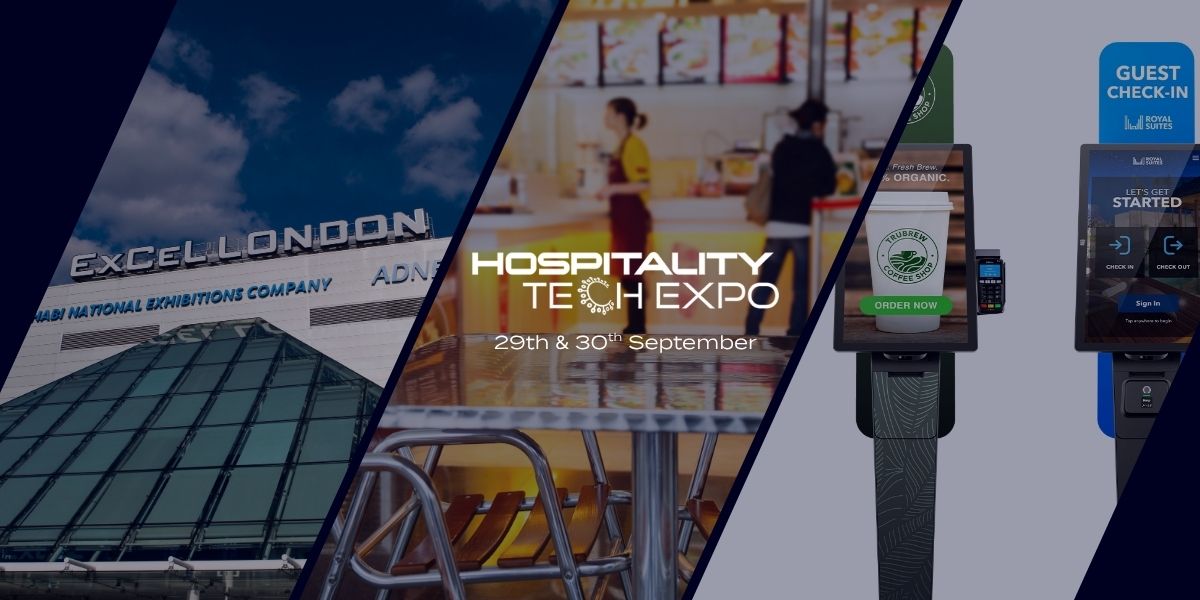
Visit Levata in stand HT218 at the UK’s Hospitality Tech Expo 2026 to see self-service technology demonstrations that help hospitality businesses elevate guest experiences, streamline ordering and improve operational efficiency.